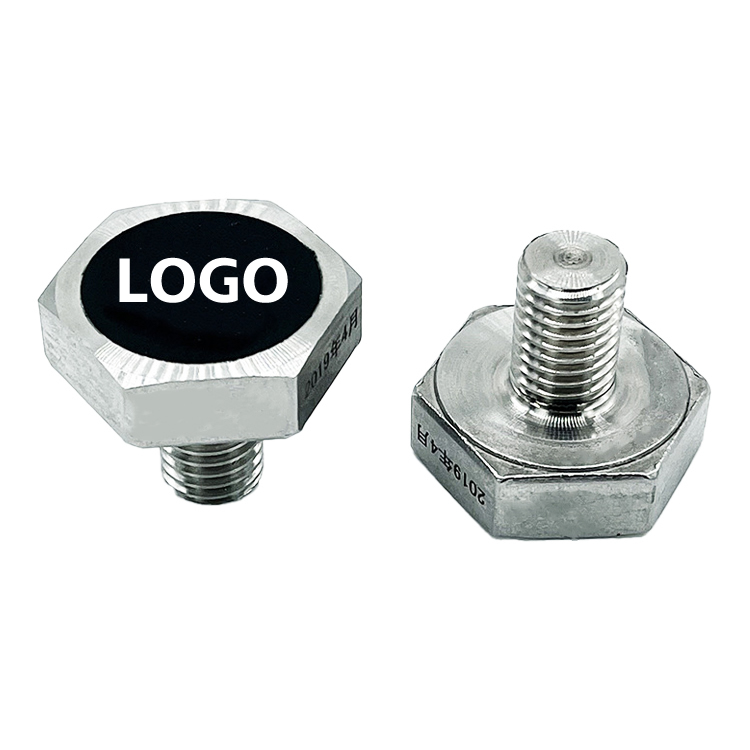
RFID Protocol: EPC Class 1 Gen 2, 1s018000-6C
Frequency: US Standard (902–928 MHz), European Standard (865–868 MHz)
Chip: Alien Higgs-3 (NXP UCODE 8)
Storage: EPC 96 bits (expandable to 480 bits), User Area 512 bits, TID 64 bits
Write Cycles: 100,000
Function: Read/Write
Data Retention: 50 years
Application Surface: Metal surfaces
Reading Distance: (Handheld: 2 m), US Standard (902-928 MHz: 0.35 m), European Standard (865-868 MHz)
Warranty Period: 1 year
Physical Parameters:
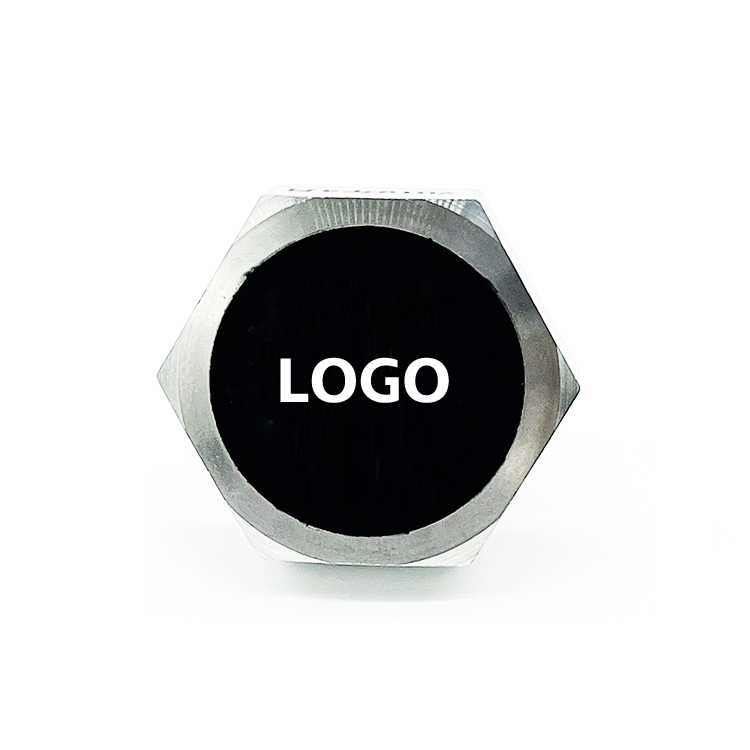
Dimensions: Screw head 34 x 30 m
Operating Temperature: -40°C to +250°C
Storage Temperature: -40°C to +100°C
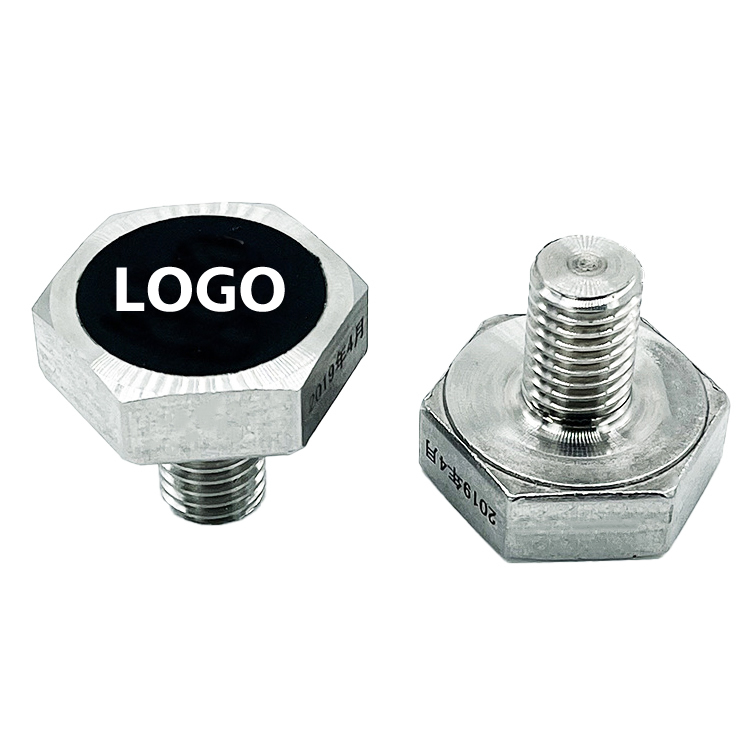
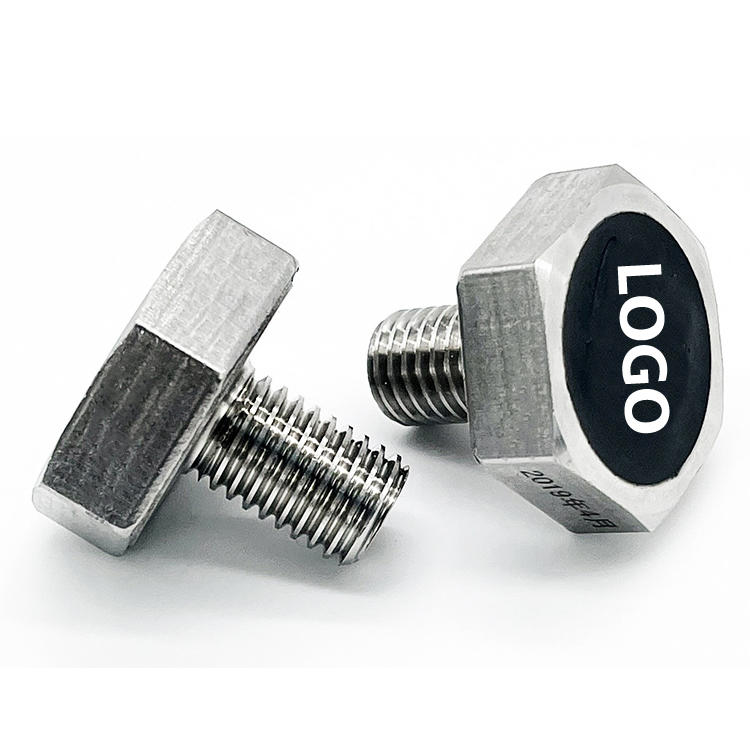
Materials: 304 Stainless Steel, Ceramic, Epoxy Resin
Color: Gray
Installation Method: Screw
Applications: Track Inspection and Maintenance, High-Speed Train Management
Description
RFID screw tags are tags that utilize radio frequency identification (RFID) technology to track and manage screws or other small parts. These tags typically consist of a combination of a microchip and an antenna, enabling them to link screws to other items and interact with RFID readers via wireless communication.
Features
● Premium Materials
This tag combines 304 stainless steel with UHF RFID technology. The main body is made of 304 stainless steel, a high-alloy steel known for its excellent corrosion resistance, high-temperature resistance, and non-magnetic properties. It resists corrosion in air or chemically corrosive environments and can be used in high-frequency electromagnetic fields without being heated or red-hot by electromagnetic waves.
● Multi-Tag Recognition
It enables fast and accurate recognition even when multiple tags are present simultaneously, improving recognition efficiency.
● Long Service Life and Reading Stability
With a write/erase cycle life of up to 100,000 times and a data retention period of up to 10 years, the tag ensures stability and reliability.
● Data Security
With a write/erase cycle life of up to 100,000 times and a data retention period of up to 10 years, the tag’s stability and reliability are ensured.
● Easy Installation
Typically secured with a nut, ensuring the tag is firmly attached to metal objects such as screws.
● Application Areas
It is primarily used in scenarios requiring frequent reading, writing, or management of small metal objects such as screws, including metal bridge quality inspection, tunnel patrols, machine identification, vehicle license plates, and metal container management.
Application
Railway Inspection and Maintenance High-Speed Train Management Product Shelf Location Management